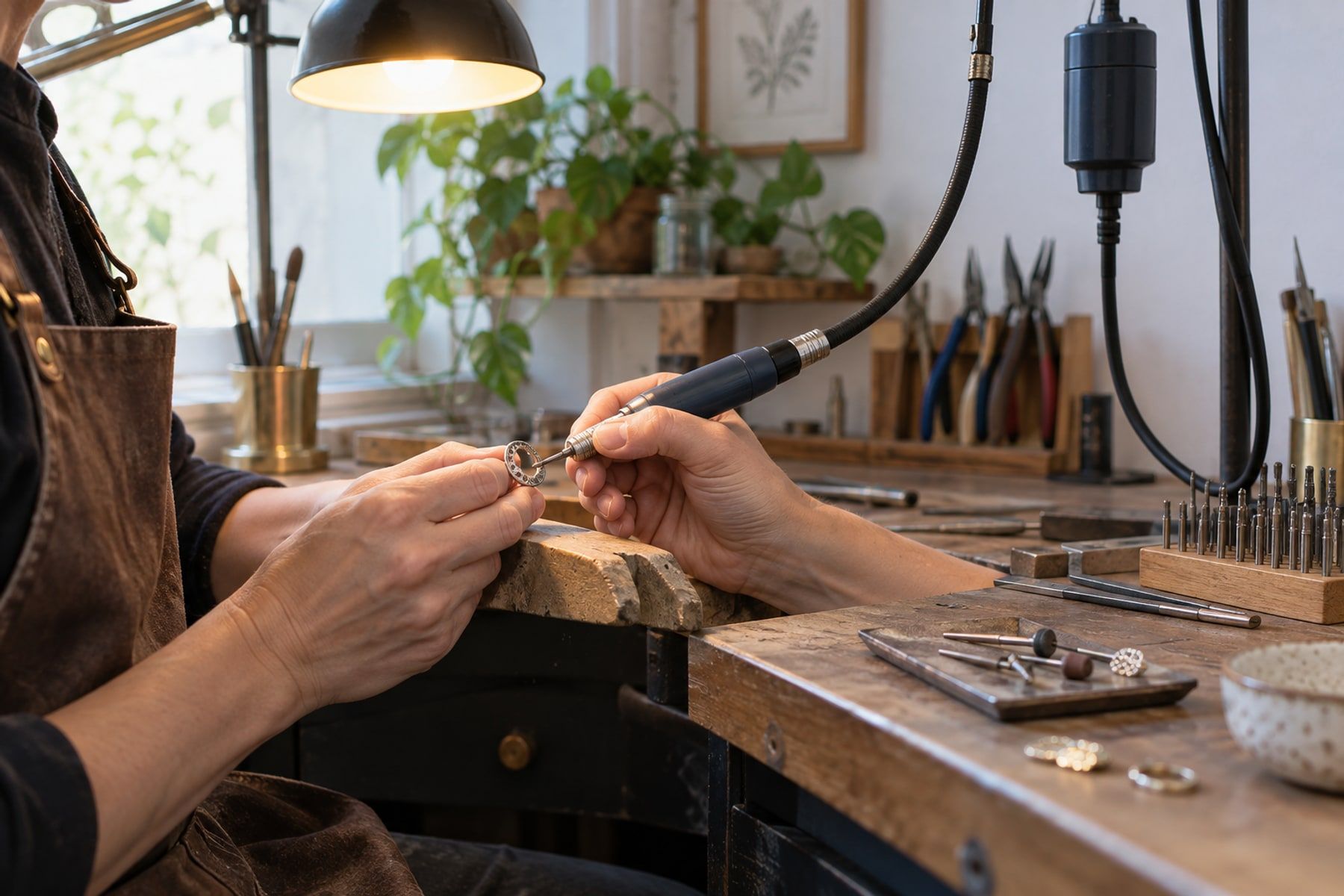
Buying guide · Rotary Tools
Best Flex Shafts for Jewelry Making
Compare five verified flex-shaft configurations for jewelry making, from budget starter kits to serviceable Foredom and Grobet bench systems.
Claire Whitaker edits Jewelry Tool Lab. She decides which tools and buying decisions the site covers, researches and writes our guides, and reviews every article before publication.
Her coverage focuses on practical tools and equipment used at the jewelry bench, from rolling mills and flex shafts to soldering, cutting, polishing and measuring tools.
Most Jewelry Tool Lab guides are research-based buying guides. Claire works primarily from manufacturer specifications, product manuals and technical documentation, established jewelry-making and metalsmithing references, specialist resources such as Ganoksin, and feedback from people who own and use the tools.
Important specifications and product claims are checked against primary sources wherever possible rather than simply repeated from retailers or other buying guides.
Each guide explains how it was produced, whether it is a research-based buying guide, tested comparison or hands-on review. If a product has not been personally tested, we do not present it as though it has been.
Read more about our process in How We Review.
AI tools may assist with organising research, comparing information and preparing drafts.
Important facts, specifications and recommendations are checked against real sources, and every article is reviewed before publication.
You can read our full approach in the Editorial Policy.
Claire covers tools, machines and equipment used for jewelry making and metalsmithing, including rolling mills, flex shafts and rotary tools, polishing and finishing equipment, jewelry bench setup, cutting tools, soldering equipment, measuring tools and everyday bench accessories.
Jewelry Tool Lab is focused specifically on the working jewelry bench. We do not cover jewelry fashion, gemstone investing or general crafts unless there is a clear connection to jewelry making.
If you notice an incorrect specification, outdated product detail or another factual error, please let us know. Suggestions for tools or buying questions you would like us to investigate are also welcome.
Email [email protected] or visit the Contact page.
Buying guide · Rotary Tools
Compare five verified flex-shaft configurations for jewelry making, from budget starter kits to serviceable Foredom and Grobet bench systems.
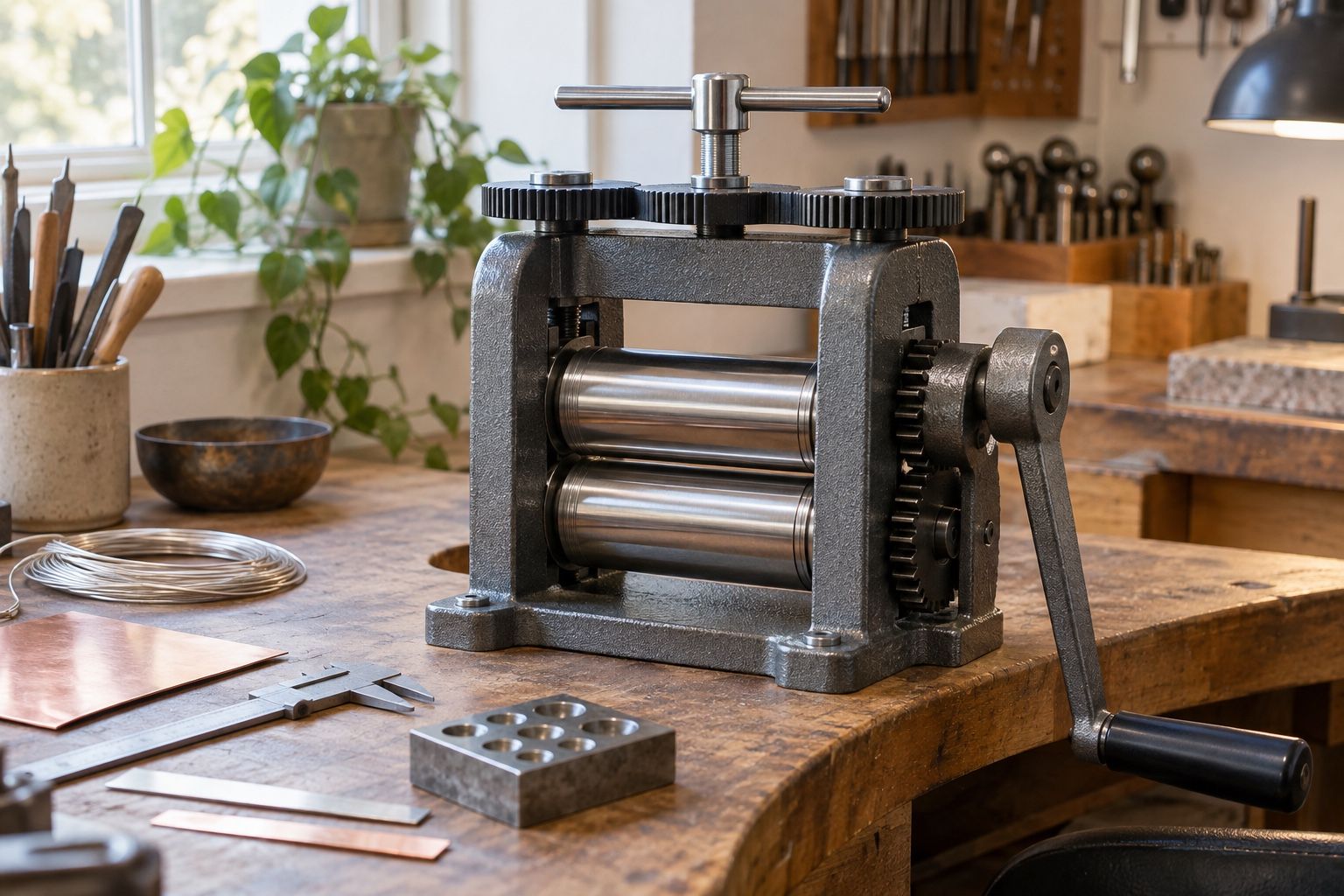
Buying guide · Rolling & Forming
Choose the right jewelry rolling mill by roller width, configuration, gearing and bench space, with a research-based look at budget and professional options.
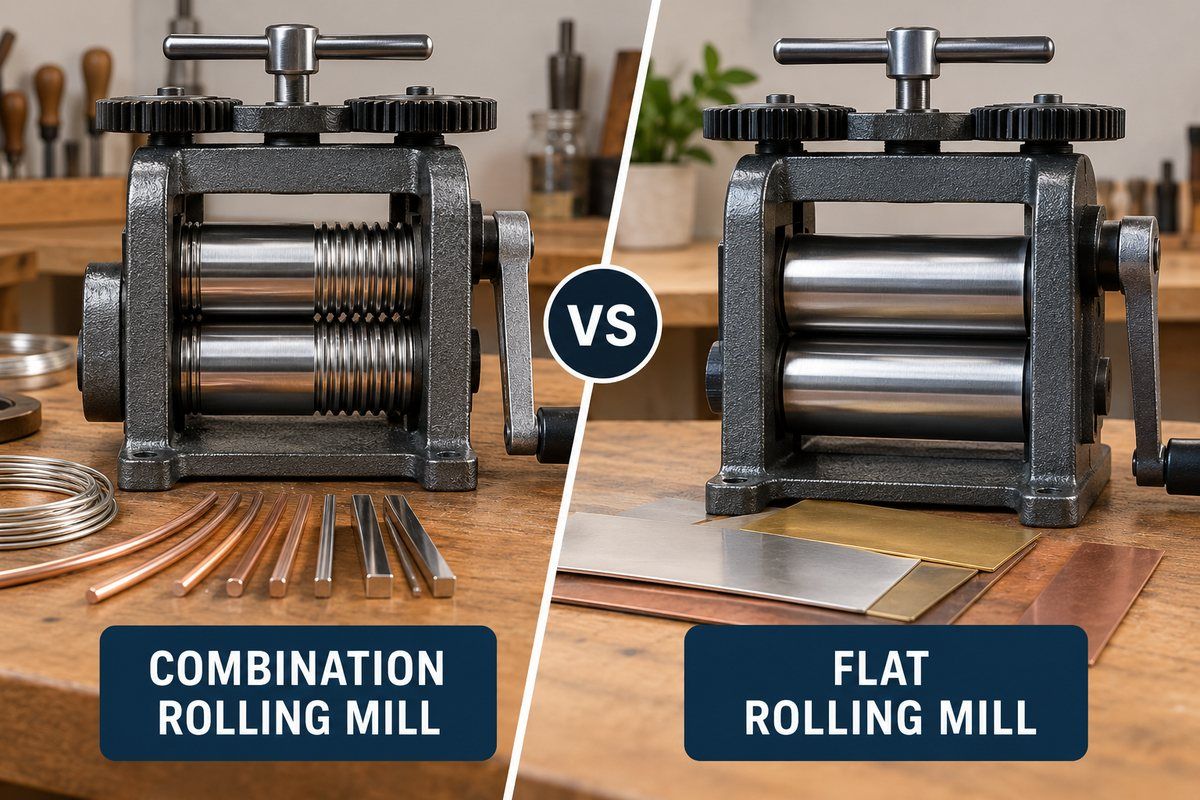
Comparison · Rolling & Forming
Combination vs flat rolling mills compared for jewelry making — including usable sheet width, wire grooves, versatility and which type is better for your bench.
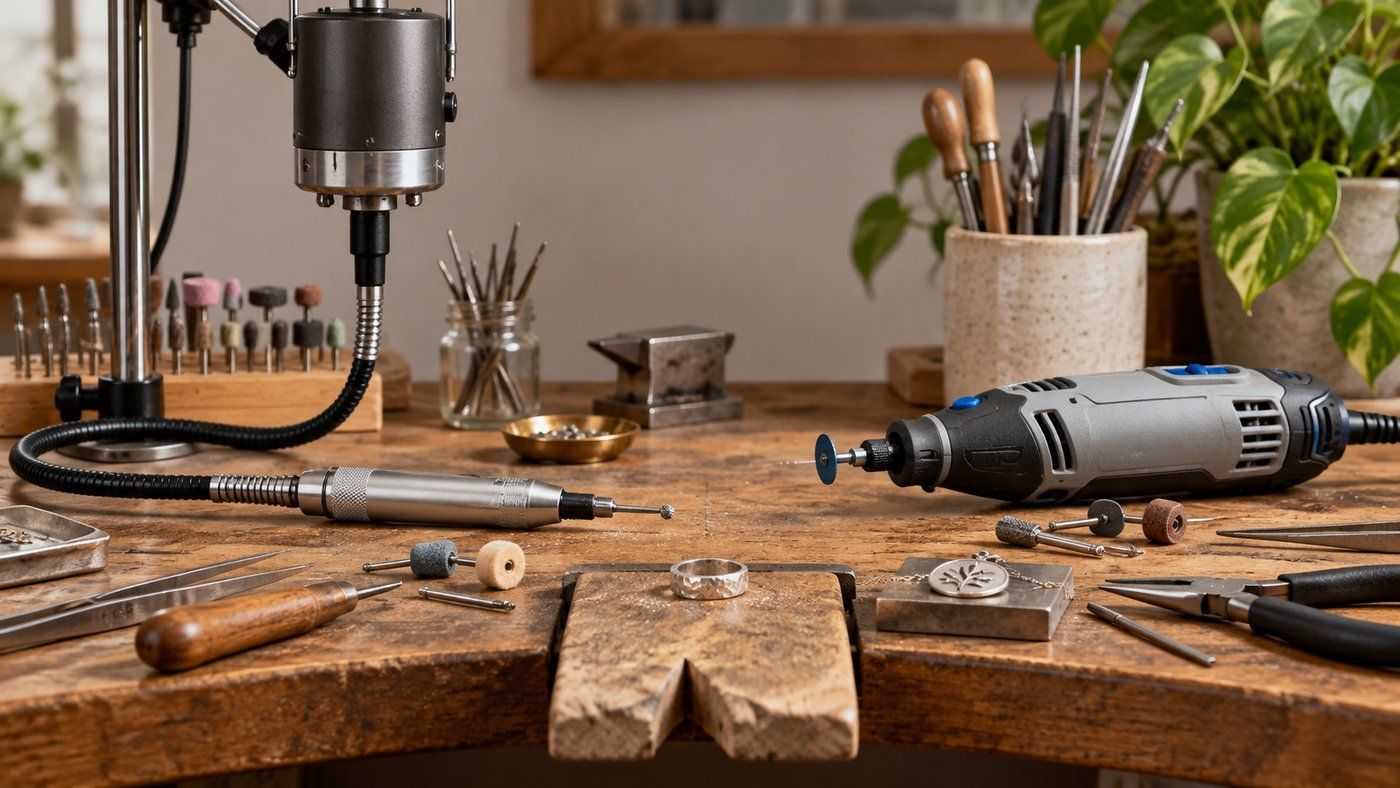
Comparison · Rotary Tools
Flex shaft vs Dremel for jewelry making: compare control, hand comfort, speed, drilling, polishing, stone setting and cost to decide which rotary tool fits your bench.
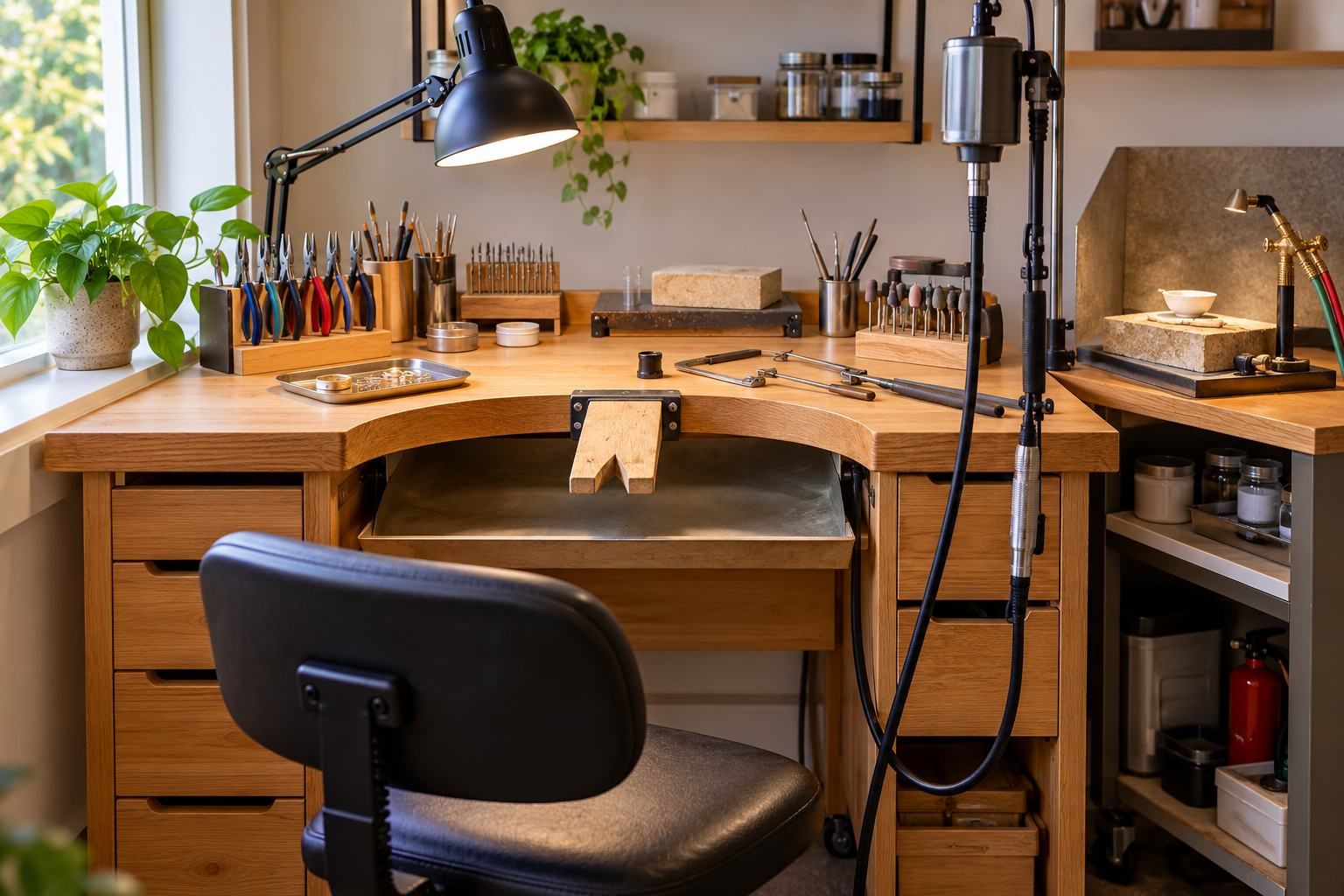
How-to · Bench
Set up a jewelry bench at home with the right bench height, bench pin position, lighting, seating, tool layout, metal recovery, soldering zone and safety.
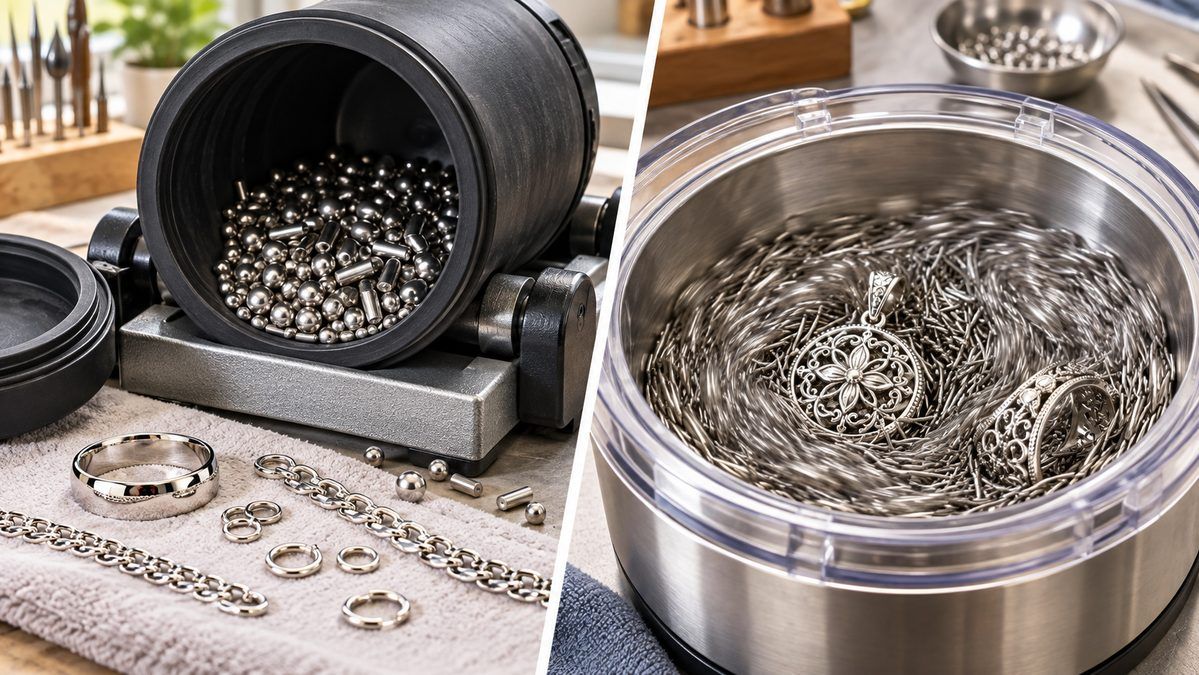
Comparison · Polishing
Compare magnetic and rotary jewelry tumblers for burnishing, steel-shot finishing, detailed castings, chain and small-batch jewelry work.
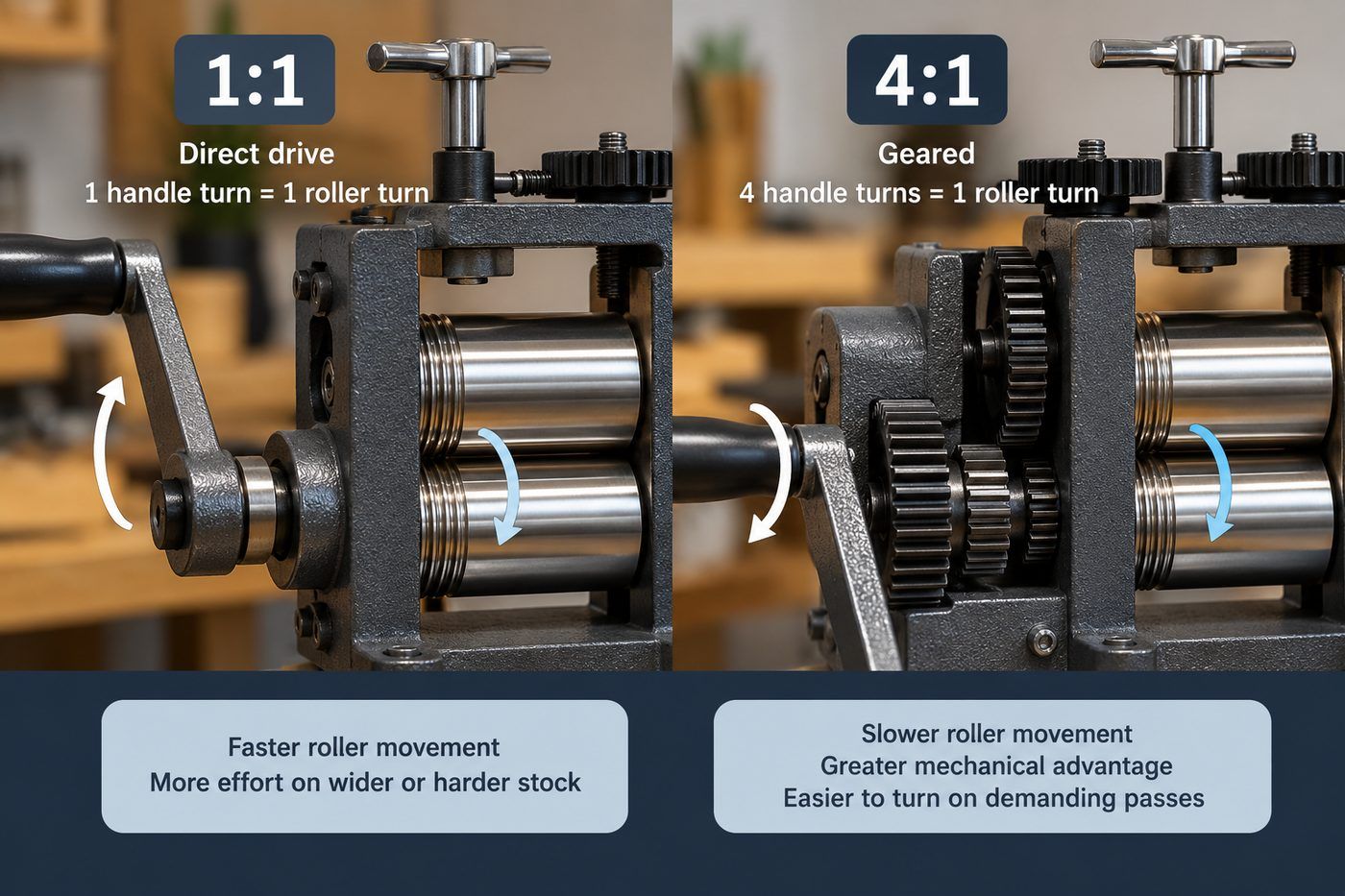
Explainer · Rolling & Forming
Learn what 1:1, 2:1 and 4:1 rolling mill gear ratios mean, how reduction gearing changes torque and handle effort, and whether a geared rolling mill is worth it.
Explainer · Rolling & Forming
How to choose rolling mill size for jewelry making — usable flat width vs roller width, 80 vs 110 vs 130 mm mills, cuffs, texture plates and bench space.
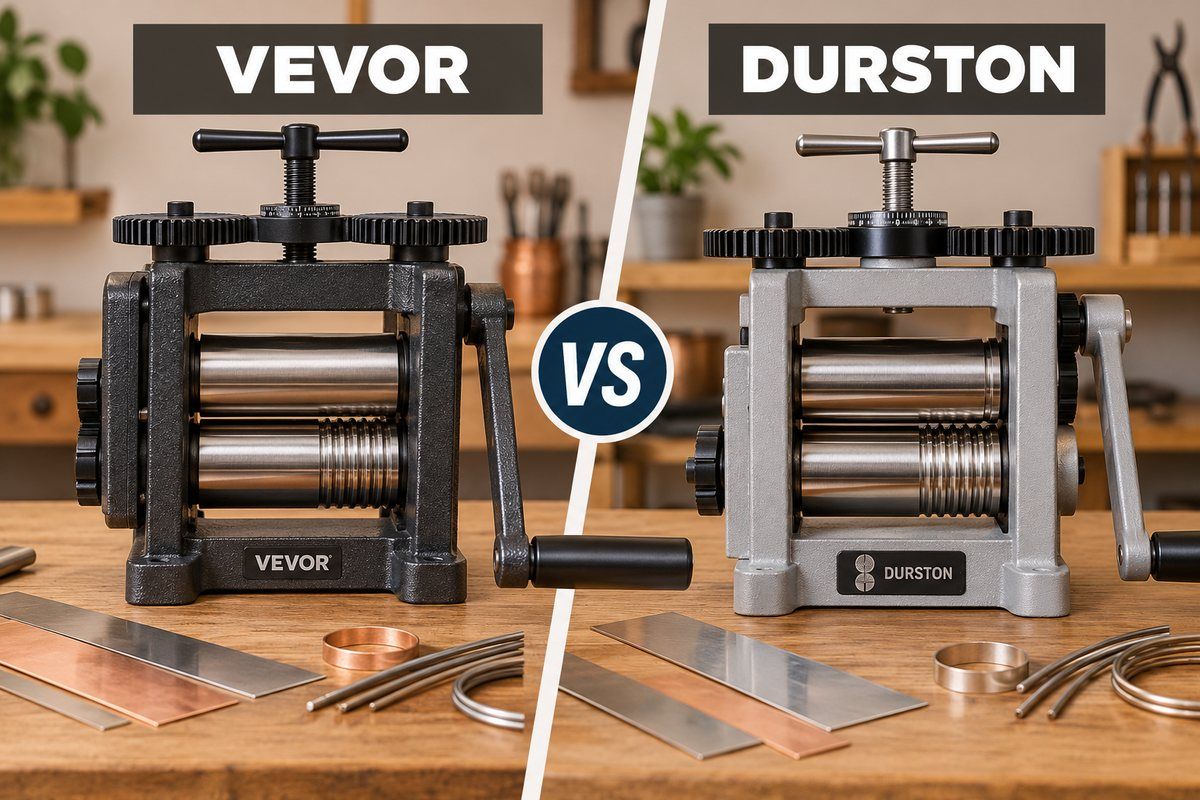
Comparison · Rolling & Forming
Compare VEVOR and Durston rolling mills on gearing, roller finish, alignment, usable width, durability and support to decide whether a premium mill is worth the extra cost.